Ultra-modern building materials are changing the way construction is done. Today’s materials are environmentally friendly, reliable and durable, while airy and light-weight. Modern materials science has advanced noticeably in recent years. Today, there are truly revolutionary new building materials on the market. Innovative synthetic materials are being created - building materials that are lighter, stronger, and more environmentally friendly than traditional materials. When cement cracks, it is a much more serious problem than many people think. It’s not just about aesthetics, although that is certainly important. No, this problem is structural: water will get into the crack and begin to undermine the integrity of the concrete. In an environment with unstable temperatures, this problem is exacerbated by the effect of freezing and unfreezing. The water in the crack expands during freezing winters, pushing each side of the crack a little further apart. But what if concrete could heal itself? Or asphalt, or even metal? Some modern building materials will find their place, perhaps, in small niches, but a number of innovative construction materials have the potential to become widely used. Buildings with traditional brick and concrete structures will gradually become a thing of the past because humanity’s requirements are obvious: we need eco-friendly, energy-efficient, durable, and lightweight buildings that will look nice and be highly functional at the same time. We have collected the most interesting and innovative materials in construction that are already in use and some that are promising concepts being tested within pilot projects. A number of building materials are not necessarily brand new ones - that is, the technology was developed and tested a long time ago, but it is still used selectively and isn’t widespread.
Please Watch This Video When You Have Time
Transparent wood ir kiti išskirtiniai langai į ateitį
The invention of the newest eco-friendly material - transparent wood - was announced back in 2016. However, it was only in 2020, that the scientist who invented a method to make wood transparent in collaboration with a team from the University of Maryland at College Park, stated that the tests were completed and that they had achieved a stable result. Transparent wood is at least 5 times stronger and lighter than glass, as well as being more thermally efficient. It is these characteristics that make it an interesting potential replacement for plastic or glass windows. Other advantages: the raw material is renewable and eco-friendly. The balsa tree grows quickly, with a tree growing to adulthood in just 5 years. Transparent wood is quite flexible, as it contains natural cellulose. In order to achieve transparency, balsa wood is soaked in a special solution and then epoxy resin is added to the structure.
Anglies pluošto konstrukcinė nauda
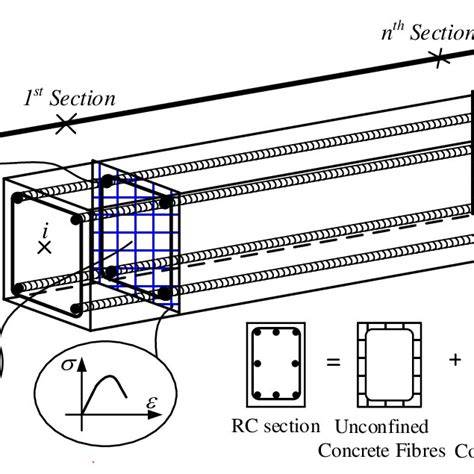
Carbon fibre, is truly a material of the future - albeit one that has long been used in different sports! However, this innovative material has been more and more frequently used in construction, an industry that often demands a combination of strength and lightness. Carbon fiber is 75% lighter than iron and 30% lighter than aluminium. It is used to reinforce traditional building materials to improve their strength - bricks, reinforced concrete blocks, wooden structures - as well as to reduce the thickness of panels and, accordingly, lower their weight. Carbon fibre reinforcement for concrete also provides excellent thermal insulation.
Inovatyvios paviršiaus medžiagos ir interjero dizaino sprendimai
Innovative building materials are not always materials with innovative physical properties like strength or safety. These can also be materials which integrate technology to deliver spectacular decoration and the implementation of the most extravagant design ideas. A new type of finishing building material is a sensitive tile with acrylic fiber which reacts to your movements, touch, or light sources. The optical fiber transmits light and reacts: the tile can twinkle, light up, catch and scatter neighboring colours on its surface. Please to watch this video.
Savitažų ir savipagydymo galimybės: savireguliuojanti užpaila
The term “self-healing concrete” sounds more than a little fantastical. Back in 2015, inventor Henk Jonkers from Delft University of Technology showed an innovative method to repair cracks in concrete using bacteria. The principle of the technology is simple: capsules containing specific bacteria and nutrients for them were added to the concrete: the bacteria were activated as soon as water hit. In addition to this bio-technology, there is another alternative from Korean researchers in which capsules of a certain polymer are added to concrete. Traditional concrete is a very reliable and well-established building material, but it loses its properties when cracked. Please to watch this video. Recently, American scientists from Worcester Polytechnic Institute (WPI) have also presented evidence that they have developed bio-concrete. In this case, an enzyme is added to react with CO2-releasing calcium carbonate crystals - their properties are similar to concrete. As a result, all the cracks are filled, and the strength of the concrete strength improves. Another development by scientists from the University of Colorado is based on the photosynthesis of bacteria. T Bioconcrete is made up of a mixture of cyanobacteria - photosynthesising bacteria - gelatin and sand. Please to watch this video.
Please Watch This Video When You Have Time
Aerogeliai ir jų izoliacinės galimybės
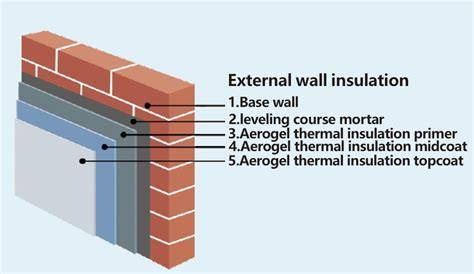
This synthetic porous ultralight material is derived from a gel in which the liquid component of the gel is replaced by a gas. The result is a very solid body with extremely low density and low thermal conductivity. To the touch, it resembles brittle polystyrene foam. Aerogels can be made of a variety of chemical compounds. It was first produced in 1931 as the brainchild of Samuel Stephens Kistler. He argued that he could replace liquid with gas without shrinking the structure. The first aerogels were made of silica gels. Kistler’s later work concerned aerogels based on aluminium oxide, chromium oxide and tin dioxide. Carbon aerogels were first developed in the late 1980s. A special feature of aerogels is that they can have a lower thermal conductivity than that of the gas they contain. This material is an excellent thermal insulator, so it is widely used for environmentally friendly and efficient thermal insulation on an industrial scale. Please to watch this video.
Richlite ir perdirbtųjų medžiagų rekonstrukcija
Richlite is a durable paper composite material. It is made of waste paper which is pressed into hard, smooth panels that can be processed. Properly-sourced paper is far more environmentally friendly than many of the most common materials used in construction, and this is one of Richlite’s main advantages. As old materials are reused to produce new Richlite, less energy is expended during the production process. This results in a lower manufacturing carbon footprint and a much more sustainable end product. However, technology turns it into an amazing raw material which is so necessary for eco-construction. Unlike stone or other hard surfaces, Richlite works the same way as dense hardwood, and it can be easily milled, sanded, and joined. Richlite is also a water-resistant and hygienic material that has low moisture absorption, high heat resistance and fire resistance. It doesn’t hurt that it looks good, with a natural finish. As a result, it is used in many industries, from construction to furniture design. It's even used to produce musical instruments, replacing expensive ebony while providing high sound quality. Please to watch this video.
Liaudies „liquid“ akmuo ir kitų kompozitų
Artificial “liquid” stone is a special liquid construction mixture (made of 70% marble chips and 30% special additives and decorative filler) that is sprayed onto surfaces including concrete, brickwork, stone and asphalt. Due to its composition, the liquid congeals to form a tight seal, providing the surface with durability and an attractive appearance. Liquid granite is an eco-friendly material since it includes safe resins, natural marble chips, and mineral fillers. Please to watch this video.
Please Watch This Video When You Have Time
Geometriniai naujovių kryptys: ConFlexPave ir kitų
These days, almost all construction is based on concrete. We already mentioned that one of the problems of concrete is its fragility if it chips and cracks. Additionally, while concrete is extremely strong, it is limited in the load it can bear. Due to a unique additive, the new concrete ConFlexPave has gained flexibility and strength that is up to 3 times higher than that of traditional concrete. The thinnest polymer microfibres are mixed into the solution, distributing loads across an entire slab of concrete. However, there is no limit to perfection, and other scientists continue to pursue flexible concrete. For example, specialists from Swinburne University have created concrete without using cement, but with the same outstanding characteristics in terms of flexibility and loads. This new kind of concrete is also eco-friendly as it incorporates fly ash and geopolymer composites - typical waste emissions from coal power plants. It also solidifies at room temperature which means there is no need for unsustainably high production costs. But most importantly, the new concrete is 400 times more flexible than traditional concrete, while maintaining the same level of strength. Geopolymers not only add to the flexural coefficient, but also improve the resistance to possible micro-fractures. This revolutionary material is a concrete fabric in a roll. The patented Concrete Canvas® solution is used for a wide range of construction tasks and more. It allows concrete structures to be built with minimal installation and specialist training. Please to watch this video.
Please Watch This Video When You Have Time
Langų „vandeniams“: kietasis keramika į skaidrius celių
This material of the future is a physical reality. In simple terms, it is a transparent ceramic based on aluminium oxynitride (AlON). The main features of this material are scratch resistance and durability. Transparent aluminium is much more durable than aluminosilicate glass (quartz) and it’s also 85% harder than sapphire. In addition, it can withstand heat up to 2,100°C. It is resistant to radiation, acids, alkalis and water. Naturally, the material was immediately adopted by the military and optics industries. Please to watch this video.
Please Watch This Video When You Have Time
Medienos naudojimas ir hi-tek įvairovė
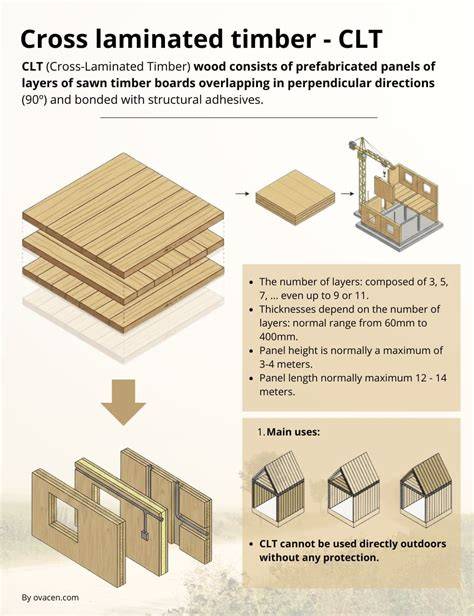
This is an innovative material that uses wood in all its elements. Within this category you’ll find sub-types such as cross-laminated timber and laminated wood. Laminated wood consists of several pieces of lumber glued together which are used to create strong beams. Cross-laminated timber is made of pieces of wood laid in alternating directions to create large panels that can withstand heavy loads. Both types of wood are extremely fire-resistant. The outer layers, when burning, create charring which helps to insulate the rest of the wood. Using solid wood facilitates carbon capture while the trees are growing and while the wood is in use in the buildings.
Hydro-keramikos ir savireguliuojanti atvėsinimo sistema
Composite facade material made of clay and hydrogel which is capable of cooling the interiors of buildings by up to 6 °C. Hydroceramics use the hydrogel’s ability to absorb 500 times more water than its own weight to create a building system that “becomes a living being as part of nature, not beyond it.” The technology was developed by Spanish students at the Institute for Advanced Architecture of Catalonia back in 2014. Since that time, this innovative material that enables self-cooling systems are in great demand in the construction industry and among architects. Please to watch this video.
Please Watch This Video When You Have Time
Sejsminį atsparumo modernizavimas: stipris ir lengvumas
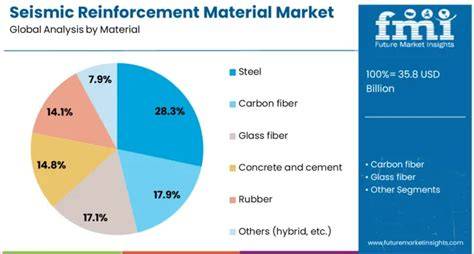
For earthquake-prone regions like Japan, materials that can withstand earthquakes are very important. The composite is coated with inorganic and synthetic fibers, with a thermoplastic resin finish, giving rise to the world’s lightest seismic reinforcement system. They’re also effective, helping buildings to meet the requirements for seismic reinforcement.
Biomimika ir natūralaus dizaino įkvėpimai
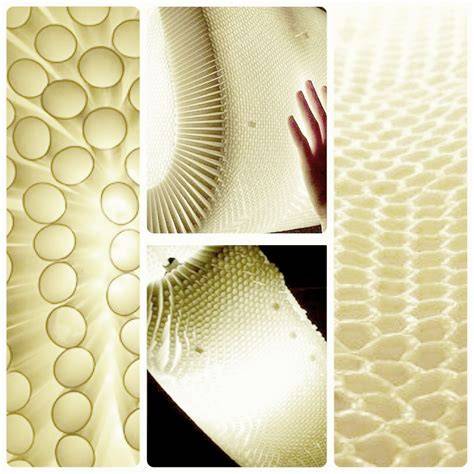
Flexicomb is inspired by nature - as you might guess from the name, the structure of this material is inspired by honeycombs. This very simple idea has turned out to be amazingly flexible and functional. The idea first appeared at Yale University where researchers studied the honeycomb structure. By combining drinking straws into one array, it is easy to create a structure resembling a honeycomb. In Flexicomb, thousands of polypropylene tubes are tightly connected into a flexible matrix, which can be given different shapes.
Pinigai saulės ir šviesos reflektavimo sprendimai
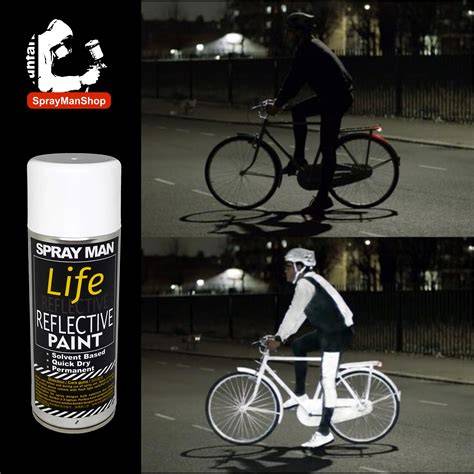
Everyone knows that white is extremely good at reflecting light. But it turns out that it’s possible to create the “whitest paint in the world” that can serve as an air conditioner to cool rooms. Researchers at Purdue University have created a white paint that reflects 98.1% of sunlight. This provides a perfectly pure white with a reflective effect. According to the test results, the implementation of the paint leads to incredible results: painting a 90 m2 roof delivers a cooling capacity of 10 kW.
Bioplastikų pažanga
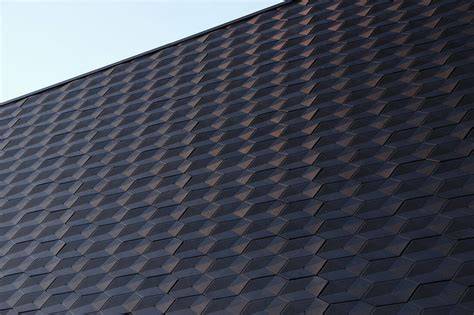
Berlin-based startup Made of Air has developed a special non-toxic bioplastic made of biochar from forest and agricultural waste. The porous, carbon-rich material retains carbon very effectively. Unlike decomposing biomass, which quickly releases its carbon back into the atmosphere, biochar remains stable for hundreds or even thousands of years. Hexagonal panels called HexChar were first installed as cladding material at an Audi dealership center in Munich in 2021; it was the first time the product has been used in a building.
Geometrija plieno sprendimuose: standūs, atsparumas korozijai ir naujos galvanizacijos
Currently, the rusting of steel reinforcement is the main reason for the premature demolition of structures such as bridges, roads, dams and buildings. Innovative hemp reinforcement will provide three times the durability and protection against corrosion.
Tendencijos ir praktika
The building materials industry is transforming how we design and construct for 2026 and beyond. Driven by sustainability, technology, and performance demands, it’s moving toward smarter and more resilient solutions. The contemporary building materials industry is no longer just about bricks and mortar. It’s a dynamic field where chemistry, data science, and material engineering converge to create the next generation of construction solutions. For EPC contractors and project owners, staying ahead of these trends is not optional-it’s essential for remaining competitive, meeting regulatory standards, and achieving long-term project success.
1. Self-Healing Concrete, Shape-Memory Alloys and Polymers, Photochromic and Thermochromic Glass are part of the arsenal modern construction can deploy. 2. Sustainability drives innovations: low-carbon cements, upcycled materials, Design for Deconstruction (DfD). 3. Carbon Fiber Reinforced Polymers (CFRP) and High-Strength Low-Alloy steels enable lighter, tougher structures. 4. Generative Design, BIM, and Material Lifecycle Management optimize material use. 5. Off-site manufacturing accelerates timelines and reduces waste. 6. Indoor air quality and biophilic design become core requirements. 7. Intumescent coatings and nano-coatings add safety and functionality. 8. Insulating aerogels and nanoparticle additives boost performance. 9. Future-ready materials are intelligent, sustainable, efficient, and resilient.
Apžvalga rinkai ir praktinė patirtis
Construction materials market is valued in trillions of USD with steady growth expectations. Cement dominuoja rinkos pajamų dalį. Geopolitiniai ir gamtinių resursų pokyčiai veikia tiekimą bei kainas. Dizaino ir BIM priemonės padeda kurti efektyvesnius sprendimus, o statybininkai vis dažniau renkasi modulariją ir išorės gamybą (off-site).
Medienos gaminiai gegnės ir kiti konteksai
Medienos gaminiai ir gegnės vis dar atlieka svarbų vaidmenį, tačiau jų naudojimas plečiasi kartu su naujomis medžiagomis, tokiomis kaip skaidri mediena, anglies pluošto armavimas, inovatyvios fasado plokštės ir šilumos izoliacijos sprendimai. Reikšminga yra medžiagų derinimo įvairovė bei tvarumo siekis rekonstrukcijose ir naujos statybos projektuose.
Privalumai ir trūkumai
- Privalumai: didesnis tvirtumas, lengvumas, energetinis efektyvumas, pritaikomumas, ilgaamžiškumas, galimybė naudoti perdirbtas ir atsinaujinančias medžiagas.
- Trūkumai: kainos svyravimai, reikalingos specialios technologijos ir įgūdžiai, gamybos ir tiekimo grandinių sudėtingumas, jų ilgaamžiškumo įvertinimas.
Karjeros ir projektų diegimo patarimai
- Rinkos tendencijos reikalauja, kad EPC rangovai ir projektų savininkai laikytųsi inovacijų, tvarumo ir energetinio efektyvumo standartų.
- BIM ir medžiagų gyvavimo ciklo valdymas padeda sumažinti atliekas ir optimizuoti išlaidas.
- Off-site gamyba mažina statybų laiką ir mažina išmetamus atliekas.
- Naujos technologijos, tokios kaip savireguliuojančios sistemos, nano padangos ir akivaizdus dizainas, gali pridėti vertės projektams.