Nothing ruins your pride of homeownership more than walking into your house and smelling your floor. Carpeting, hardwood floors, laminate floors, tile flooring, and vinyl flooring all eventually suffer from this problem. In this guide, we’ll look at common causes of floor odours, explain why your floor smells bad after mopping, and share practical ways to remove and prevent musty odours for good.
Kodėl grindys ima skleisti nemalonų kvapą?
But why do floors start to smell after a while? These lingering smells often come from trapped moisture, cleaning residue, or even hidden mould beneath the surface. With age, even freshly cleaned and properly maintained floors can develop persistent odours that seem to defy elimination. Over time, dust, spilt drinks, pet accidents, and cooking fumes become embedded in the pores and seams of your flooring. As these substances decompose, they leave behind stubborn odours that are not completely removed by regular cleaning.
A dusty smell is often indicative of moisture that has become trapped beneath or inside flooring for extended periods. Humidity left sitting in sealed layers/subfloors can promote the growth of mould and mildew, which causes the recognisable “old house” smell. Moisture trapped under flooring is among the biggest causes of persistent odours. Plumbing leaks, condensation, or faulty waterproofing can cause subfloor dampness. Mould grows wherever water collects and stays warm. Even if you don’t see it, you will smell it - particularly in basements or bathrooms. The spores consume organic substances present in plywood or carpet backing. Mould has a very distinctive musty smell that will spread.
Pet urine, food or drink spillages will seep into porous materials and start to breed bacteria. These odours linger after cleaning because bacteria multiply and emit foul smells. Areas without adequate airflow, such as basements, laundry rooms, or bathrooms without windows, tend to retain moisture near the floor. When there’s no airflow, humidity can’t evaporate, which can lead to mildew and stubborn odours.
Kodėl grindys kvepia blogai po plovimo?
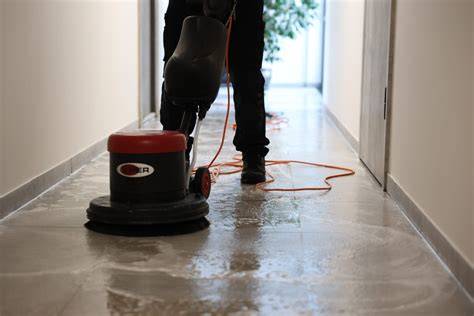
There's nothing more frustrating than spending time mopping your floors, only to be greeted by a weird, sour smell, or that dreaded wet odor lingering afterward. It’s not uncommon for this kind of experience, whether the tile floor smells like wet dog after mopping, or gives off a rotten, musty odor. The culprit? It is often the bacteria in dirty mop, mildew buildup, or residue from improper cleaning methods.
The most common reason for the bad smell after mopping is using dirty water or a mop that hasn’t been cleaned properly. When you use a mop soaked in dirty water, you’re basically spreading germs and grime instead of cleaning. You can imagine the result would be a sour, musty smell left behind after mopping. Over time, bacteria, mildew and rotten residue can build up on the mop, which then is transferred to your floors. A dirty mop or dirty water is most likely the reason your floor smells bad after mopping.
Occasionally, the culprit is your cleaning program itself. For instance, using too much water or the wrong cleaner can leave behind chemicals. Additionally, dirty mop water or overly wet surfaces trap moisture in seams and joints, resulting in sour odours that persist even after drying. While floor cleaner is necessary, using too much cleaning products can risk leaving a sticky residue. Unfortunately, this residue easily traps dirt and bacteria that causes your floor to smell after mopping.
Kaip nustatyti kvapo šaltinį?
If you want to eliminate an odour, you must first identify its cause. Odours can move through floors, making it difficult to locate the exact source of the smell-particularly if moisture or mould is lurking beneath. Odours tend to “pool” in small areas. Walk slowly around the room and note where the odour intensifies. Lift a corner of the carpet, a loose plank of flooring or a transition strip. You may see moisture or mould trapped underneath.
Check for stains, soft spots, or musty underlays to find the source. If the odour is strong, persistent or definitely musty, there could be something more going on, mould in the subfloor or a plumbing leak. After identifying where the smell is coming from, choose a solution that works with your flooring type. Many odours go away with cleaning and ventilation. Persistent odours from water damage or soaked underlays may require replacing those areas.
Praktiniai šalinimo būdai pagal grindų tipą
Like wood flooring, laminate flooring hates moisture. Replace if: Mould is present on the subfloor. Carpet absorbs moisture, dust, spills and pet accidents. Still smells? Floor odours often develop when moisture, liquids, or bacteria become trapped beneath the surface.
Use clean water and a fresh mop is the best way to get rid of a bad smell after mopping. When you finish the cleaning session, be sure to rinse the mop several times and get rid of the dirt and residue. This way, you can get fresh tools ready for your next clean. To prevent your floor smelling musty after mopping, replace the water frequently while cleaning and wash your mop head after every use.
Did you know leaving your floor too wet after mopping can create the perfect environment for fungus and germs growth? Excess moisture is a recipe for trouble on various floor types, especially inside the cracks and grout lines on tile floors. If your floor smells like wet dog after mopping, you might be dealing with mold or mildew. Humid environments encourage these undesirable fungal growths, especially in grout lines and under tiles.
Konkrečios užduotys ir prevencija
- Venkite per daug vandens ir netinkamų valiklių - residue easily traps bacteria that leads to a rotten smell.
- Change mop water frequently and wash mop heads after every use.
- Ensure good ventilation to reduce excess moisture and clear out sour, damp odors at home.
- Deep clean regularly with a mildew remover or disinfectant to prevent mould and mildew from getting out of control.
- Check hard-to-reach areas, particularly in rooms with poor ventilation or tile floors with grout lines.
Ventiliacija ir drėgmės kontrolė
Good ventilation not only helps regulate temperature, but also reduces excess moisture and clears out sour, damp odors at home. Poor airflow can cause the floor to dry slowly, leading to a musty odor. To prevent bad smells after mopping, start with proper cleaning habits and understanding how different weather affects floor drying. In humid regions like Florida or the Gulf Coast, hot, humid air slows down drying and encourages molds. Even in milder climates like California, rainy seasons tend to trap moisture indoors.
Kai problemos šaknys gilesnės: vamzdynai, nuotekos, sifonai
Nemalonus kvapas vonios kambaryje, deja, yra patirtis, su kuria susiduria daugelis mūsų. Šios problemos šaltinių - ne vienas: nuo neprižiūrėtų vamzdžių ir užsikimšusio sifono iki vietų, apie kurias net nepagalvotume. Kvapas ne tik kelia diskomfortą mūsų pojūčiams, bet ir gali išduoti didesnes, paslėptas problemas, kurioms reikia nedelsiamo dėmesio.
Nemalonų kvapą iš vamzdžių, dušo padėklo ar kriauklės nesunku suvaldyti. Tinkamų valymo priemonių naudojimas, reguliarus tvarkymas ir instaliacijos apžiūra gali veiksmingai panaikinti problemą. Kartais nemalonaus kvapo šaltinis yra būtent trapas. Daugelis nesuvokia, kad reguliarus sifonų valymas - vienas iš pagrindinių vonios kambario švaros palaikymo elementų. Kvapas iš trapo ne visuomet yra kamščio pasekmė. Dažnai jį sukelia išdžiūvęs sifonas - ši speciali sistemos dalis atlieka užtvaros funkciją tarp mūsų namų ir nuotekų tinklo.
Problema kyla, kai vanduo sifone dingsta. Taip gali nutikti ilgai nenaudojant atitinkamo įrenginio, pavyzdžiui, svečių vonios kriauklės. Kita priežastis gali būti šios dalies pažeidimas arba netinkama sistemos konstrukcija, neleidžianti sulaikyti reikiamo vandens kiekio. Nemalonus kvapas šalia nuotekų valymo įrenginio yra vienas dažniausių signalų, kad sistema veikia netinkamai. Tinkamai veikiantis biologinis nuotekų valymo įrenginys neturėtų skleisti stipraus nemalonaus kvapo.
Jeigu pastebėjote nemalonų kvapą savo sklype, verta nedelsti ir atlikti sistemos patikrą. Nuotekų Ekspertai specialistai atlieka nuotekų valymo įrenginių diagnostiką, aptarnavimą ir remontą visoje Lietuvoje.
Praktiški kanalizacijos ir nuotekų sprendimai
Iš kanalizacijos sklinda nemalonus kvapas - buityje naudojamos įvairios priemonės gali privesti ir prie pasekmių. Kanalizacijoje atsiradęs nemalonus kvapas pradės Jus erzinti ir stumti į neviltį. Daugelis vartotojų pasitiki priemonėmis, kurios yra siūlomos internetinėje erdvėje.
Buitiniai kvapo kanalizacijoje naikinimo būdai: Actas ir Soda; Akmens druska; Kava; Citrina; Skalbinių baliklis. Penkis patarimus, kaip panaikinti kvapą kanalizacijoje ir norime Jums pristatyti. Kanalizacijos kvapo naikinimas - 300g biologinės priemonės, smūginė dozė 1 panaudojimui; Kvapo kanalizacijoje naikinimo priemonė - fermentinis biologinis koncentratas 100ml; Kvapui naikinti - efektyvi biologinė ir koncentruota priemonė 1L, pakanka 4-5 kartams.
Buksvarus.lt siūlo išbandyti biocidą/fungicidą, nekenksmingą aplinkai ir žmonių sveikatai koncentruotą priemonę, kuri dezinfekuodama kanalizacijos vamzdžius turi savybę naikinti ir dvoką kuriančias bakterijas - Super Fungicidas AG 100. Nors priemonė įvardijama kaip nuo pelėsio, tačiau ji turi platų spektrą panaudojimui ir susidariusių problemų profesionaliam naikinimui.
Kaip išvengti kvapų ateityje
- Reguliariai tikrinkite ir taisykite vamzdynus bei sifonus.
- Ventiliacija: užtikrinkite gerą oro apytaką vonios kambariuose, rūsiuose ir skalbimo kambariuose.
- Planuokite grindų nuolydį ir dušo latakų sprendimus taip, kad vanduo nesikauptų (grindų nuolydis latako link turi sudaryti apie 1 % šoninės dušo sienos ilgio).
- Venkite sausų sifonų dušo zonose - jie nepraleidžia pakankamai vandens ir kaupina balas.
- Naudokite natural cleaning products ir nepridėkite per daug valiklių į vandenį, kad nesusidarytų lipni danga.
- Rinkitės keičiamus sifonus prie dušo latakų, atsižvelgiant į dušo galvutės galią ir pralaidumą.
Trumpi veiksmai šalinti nemalonų kvapą namuose
- Pradėkite nuo aptikimo: vaikščiokite po patalpas ir nustatykite intensyviausias zonas.
- Pakelkite kilimą ar naudojamą grindų dangą, patikrinkite po jomis esančią drėgmę ir pelėsį.
- Gilus valymas: naudokite dezinfekuojančius ar nuo pelėsio skirtus tirpalus ten, kur reikia.
- Sausinimas ir ventiliacija: naudokite ventiliatorius, ištraukimo ventiliaciją ar drėgmės surinktuvus.
- Jeigu problema sisteminė (nuotekos, subfloors), kvieskite specialistus patikrinti vamzdynus ir nuotekų įrenginius.
Many odours go away with cleaning and ventilation, but persistent odours from water damage or soaked underlays may require replacing those areas. Knowing common causes helps you resolve problems before they worsen. If the odour is strong and persistent, consult professionals: Nuotekų Ekspertai, santechnikai arba specialistai, atliekantys nuotekų valymo įrenginių diagnostiką.
Kaip Išnaikinti Pelėsį(Pelesis)
| Priežastis | Simptomai | Veiksmai |
|---|---|---|
| Drėgmė po grindimis | Musty, senų namų kvapas, minkštos vietos | Patikra, džiovinimas, subflooro remontas, pakeitimas |
| Netinkamas plovimas | Rūgštus, šlapias kvapas po plovimo | Keisti vandenį, plauti švariu skysčiu, plauti šluostes |
| Moldė / Pelėsis | Ryškus pelėsio kvapas, dėmės | Dezinfekcija, profesionalus valymas, pakeitimas |
| Vamzdžių / trapo problemos | Kanalizacijos kvapas vonioje, šalia dušo | Sifono valymas, membraninė užsklanda, santechniko patikra |
Whether you face a sour smell after mopping or a persistent musty odour rooted in subfloor moisture, the solution begins with identifying the source, applying targeted cleaning and drying, and, when needed, using professional services to repair structural or plumbing issues.